
At Arlington Advanced Dentistry in Arlington Heights, IL, our goal is always to preserve your natural teeth whenever possible. However, there are times when a tooth extraction is the safest option for your oral health. Whether a tooth is severely decayed, damaged, infected, or crowding other teeth, Dr. Ryan Springer and Dr. Stevan Orser provide gentle, compassionate care to ensure your comfort throughout the procedure.
Dr. Ryan Springer is one of only approximately 400 dentists worldwide accredited by the American Academy of Cosmetic Dentistry (AACD), reflecting his commitment to excellence and patient care. When you trust us with your extraction, you are in the hands of highly skilled, experienced professionals.
If you are experiencing dental pain, we offer same-day emergency appointments. Call us immediately at 224-491-4229.
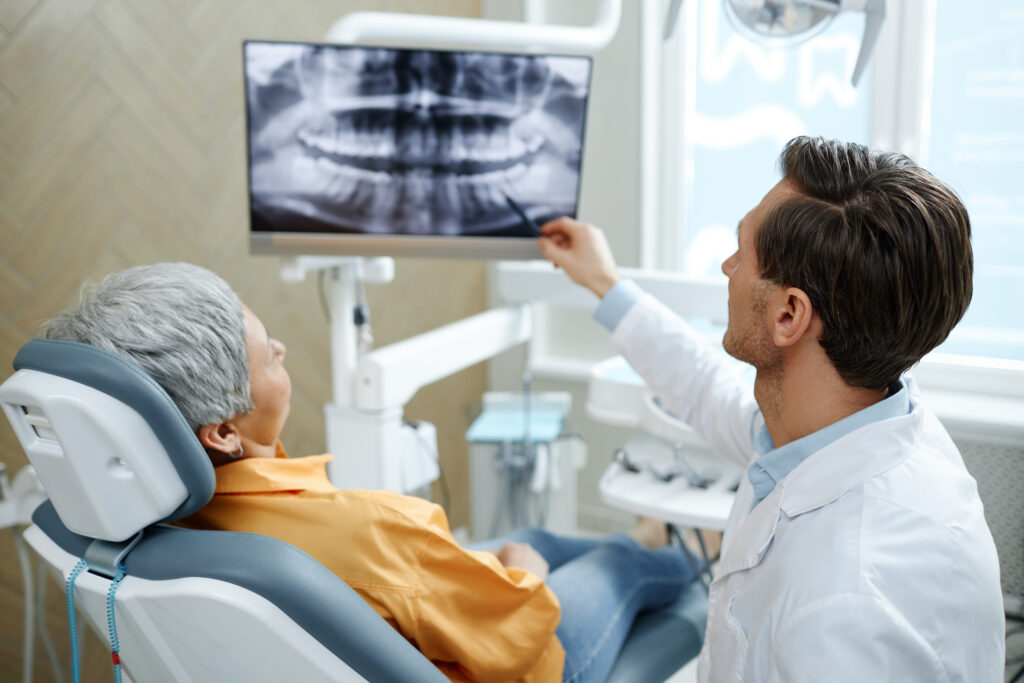
Why a Tooth May Need to Be Extracted
Tooth extractions are typically recommended when a tooth cannot be saved with other restorative treatments, such as fillings or root canals. Common reasons include:
- Extensive decay or fracture beyond repair: When a tooth has sustained too much structural damage and cannot be restored
- Infection or abscess: When decay or damage reaches the pulp, bacteria can enter and cause an infection that threatens surrounding teeth and gums
- Crowding or orthodontic needs: When teeth are too large for the jaw or to create space for orthodontic treatment
- Impacted teeth: Wisdom teeth that cannot properly erupt or are causing pain and damage to adjacent teeth
- Advanced gum disease: When periodontal disease has significantly compromised the supporting bone and tissues, causing teeth to loosen
- Over-retained baby teeth: When a baby tooth fails to fall out and disrupts the eruption of permanent teeth
Our dentists evaluate your situation carefully and discuss all alternatives before recommending extraction. When possible, we aim to preserve your tooth with restorative options such as crowns or root canals.
Types of Tooth Extractions
Not all extractions are the same. Understanding the type of extraction you need can help you feel more prepared.
Simple Extraction: This is performed on a tooth that is clearly visible in your mouth. Once the area is numbed with local anesthesia, Dr. Springer gently loosens the tooth and removes it with specialized dental instruments. Most simple extractions are quick and involve minimal discomfort.
Surgical Extraction: This is necessary when a tooth is not easily accessible, has not fully erupted, or is broken off at the gumline. Surgical extractions are more complex and may involve a small incision in the gum tissue or the removal of a small amount of bone to access the tooth. Dr. Springer performs many surgical extractions in our office, though complex cases may be referred to a trusted oral surgeon.
The Extraction Process: What to Expect
Your comfort is our priority every step of the way.
Before Your Appointment
Pre-operative preparation:
- Wear loose, comfortable, short-sleeved clothing on the day of your procedure
- If you are receiving sedation, arrange for a trusted adult to drive you to and from your appointment
- Avoid eating or drinking for 6-8 hours before your appointment if receiving IV sedation
- Inform us of all medications, supplements, and any medical conditions
- If you have a cold, nausea, or vomiting, notify our office immediately
During the procedure:
- Thorough evaluation and imaging (digital X-rays) to plan the safest approach
- Local anesthesia to completely numb the area, so you won’t feel pain during the extraction
- For patients with dental anxiety, we offer sedation options to help you relax
- Gentle removal of the tooth using precise oral surgery
- Placement of gauze to control bleeding and promote blood clot formation
What about pain? You should not feel pain during the procedure. You may feel pressure or movement, but the area will be completely numb. Most patients are surprised by how quick and comfortable the process is.
Recovery and Aftercare
Proper aftercare is essential for healing and preventing complications. Following these instructions will help ensure a smooth recovery.
The First 24 Hours
- Rest: Take it easy for the first 24 hours. Keep your head elevated while resting to minimize swelling.
- Gauze: Keep gauze in place for a few hours, changing it as needed to allow a proper blood clot to form.
- Ice: Apply cold compresses to the outside of your face (20 minutes on, 20 minutes off) to reduce swelling.
- Pain relief: Use over-the-counter pain relievers as recommended. Discomfort typically peaks within the first 24-48 hours.
What to Avoid
- No smoking for at least 24 hours: smoking delays healing and increases the risk of dry socket
- No using straws: suction can dislodge the blood clot
- No spitting forcefully: gently dab your mouth instead
- No vigorous rinsing: avoid rinsing for the first 24 hours
- No hot foods or drinks: stick to soft, cool foods like yogurt, soup, and smoothies
- No strenuous activity: avoid exercise for 24-48 hours
What to Expect
- Mild swelling and discomfort are normal and typically peak within the first 48 hours
- Bleeding should gradually decrease within the first 24 hours
- A blood clot will form in the socket, and it is essential for healing
- The extraction site will begin to close within 1-2 weeks
Potential Complications: Dry Socket
One of the most common complications after extraction is dry socket. This occurs when a blood clot is dislodged or fails to form properly, exposing the underlying bone and nerves.
Symptoms of dry socket:
- Severe, radiating pain that does not improve with pain medication
- Visible bone in the socket
- Bad breath or foul taste
- Pain that worsens 2-3 days after the extraction
What to do: If you experience these symptoms, call our office immediately. We can place a medicated dressing in the socket to relieve pain and promote healing.
What to Do If You Experience an Emergency
If you have dental trauma, a severe toothache, or swelling, we provide same-day emergency appointments. Call us at 224-491-4229, and we will fit you into the schedule right away.
For life-threatening emergencies (difficulty breathing, excessive bleeding), call 911 immediately.
Bone Grafting and Tooth Replacement
After a tooth is extracted, the jawbone can begin to shrink over time, which can make future implant placement more difficult. Bone grafting is often recommended to preserve bone and prepare for a dental implant.
What is bone grafting? We place bone material into the extraction socket immediately after the tooth is removed. This helps maintain the bone volume and provides a solid foundation for a future implant.
After your extraction, we will discuss options to replace the tooth and restore function and appearance:
- Dental Implants: The most natural-looking and functional option, preserving jawbone health
- Dental Bridges: Fixed restorations that use adjacent teeth for support
- Partial Dentures: Removable options for replacing multiple teeth
Replacing extracted teeth is important to prevent shifting of adjacent teeth, changes in your bite, and bone loss over time.